
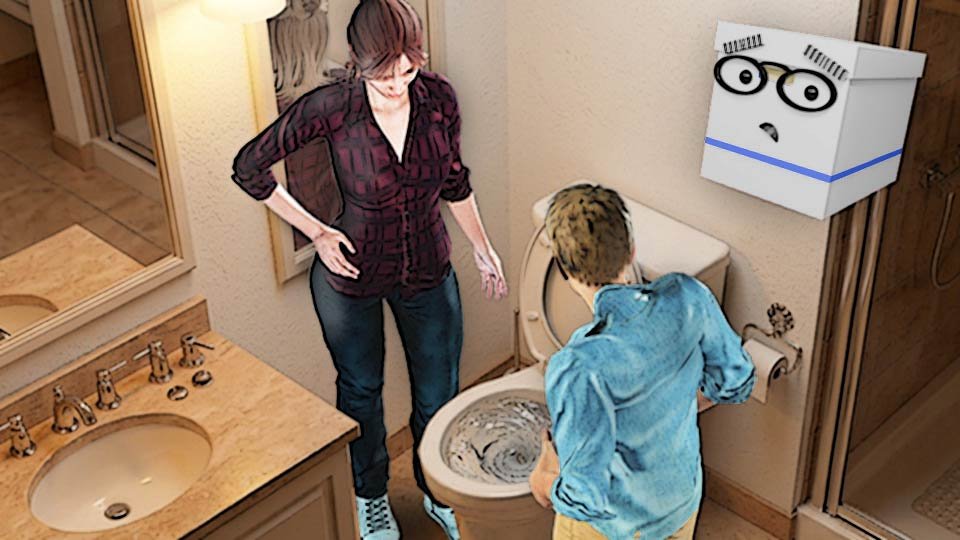
Alexa’s water bill listed her usage in something called “CCF,” a unit she had genuinely never encountered anywhere else in her entire life, and had absolutely no intuition for whether the number next to it represented a perfectly normal month or something alarming.
🔢 CCF: A Genuinely Strange Unit, Explained
CCF stands for “hundred cubic feet” (the “C” is the Roman numeral for 100, borrowed from an older measurement tradition) — one CCF equals about 748 gallons.
It’s an odd, old-fashioned unit that survives mostly because water utility billing systems have used it for decades and never fully switched to something more intuitive like gallons directly.
🚽 The Sewer Charge Riding Along With It
Many water bills include a separate sewer or wastewater charge, often calculated based on the same water usage number, on the assumption that most water going into your home eventually goes back out through the drain.
This is why a water bill’s total can look surprisingly large compared to what feels like a modest amount of usage — you’re often paying for both ends of the same water.
📈 What a Sudden, Unexplained Spike Usually Means
Unlike electricity, where a spike is often explainable by weather or simply having guests over, a genuinely large, unexplained jump in water usage often points to something specific and fixable: a running toilet, a dripping faucet left unnoticed, or occasionally a leak somewhere less visible, like underground between the meter and the house.
🚽 The Running Toilet: A Surprisingly Common, Surprisingly Sneaky Culprit
A toilet that’s silently running — sometimes with no audible sound at all — can waste a genuinely significant amount of water over the course of a month without anyone noticing anything different by ear or by eye.
It’s one of the single most common causes of an unexplained water bill spike, and one of the easiest to actually test for.
🧪 How to Actually Test for a Silent Leak Yourself
A dye tablet dropped into the toilet tank will tint the water — if color shows up in the bowl within about 15 minutes without flushing, water’s leaking from the tank into the bowl continuously, quietly running up usage the entire time.
A genuinely simple, cheap test for a genuinely common, easy-to-miss problem.
🛠️ Gear Worth Having
Toilet Leak Detection Tablets — the actual dye test — drop one in, wait fifteen minutes, and you’ve either found your water bill mystery or ruled it out entirely.
As an Amazon affiliate, I earn from qualifying purchases. Thank you for supporting Scrumbledoc.
🔗 Related Reads
- Why Your Utility Bill Changes So Much Month to Month
- What to Do When a Utility Bill Looks Wrong
- Reading Your Electric Bill Without Losing Your Mind
ScrumbleDoc is part of the WhistleBump Group — find the rest of the family at WhistleBump.com.
53003
©2026 John D Reinhart/ScrumbleDoc.com — All rights reserved