
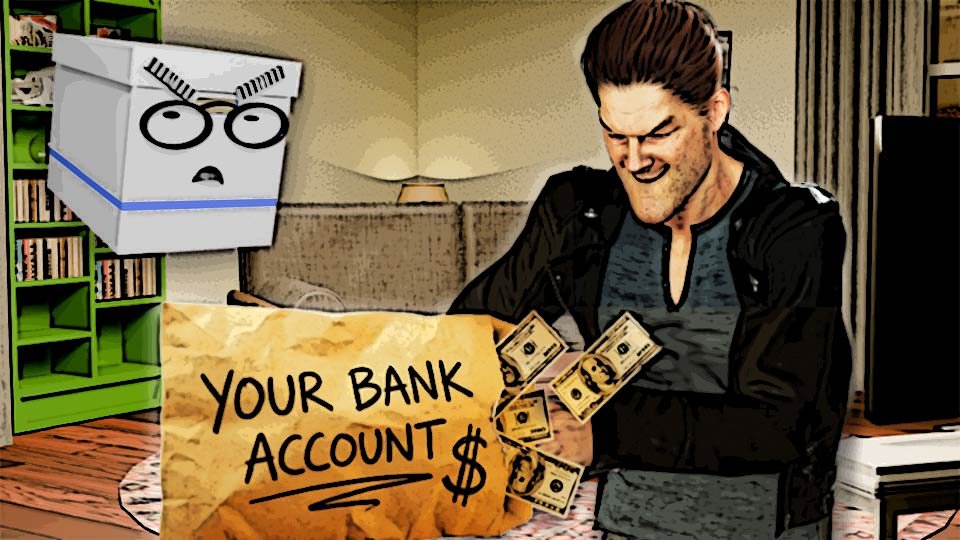
Alexa was scrolling her bank app out of boredom, not concern, when a $4.99 charge from a company she’d never heard of caught her eye — small enough to almost skip past, which, as it turns out, is exactly the size fraudulent charges are often designed to be.
🔍 Why Small, Weird Charges Are Actually the Scary Ones
Fraudsters frequently test a stolen card with one small, easy-to-overlook charge before attempting anything larger — if a tiny, unfamiliar charge goes unnoticed and unreported, that’s effectively a green light for something much bigger to follow.
A $4.99 mystery charge is worth exactly as much attention as a $400 one, arguably more, since it’s the early warning.
🕵️ What Actually Counts as Suspicious
Browse your statement for these things:
- A merchant name you don’t recognize at all.
- A charge in a location you know you weren’t in.
- A duplicate of a purchase you already made once.
- An amount that’s slightly off from what you remember paying.
Any single one of these is worth a closer look, not an automatic panic — sometimes a legitimate merchant just shows up under an unfamiliar billing name, which is worth ruling out first.
📞 The Actual First Move: Call Your Bank Directly
Use the number on the back of your card or your bank’s official app.
Never call a phone number or link that arrived in a text or email about the charge itself, since that’s a common scam layered on top of a real fraud concern. If you get a text or email like that, call the phone number on your card and ask the bank about the issue.
Report the specific charge, and ask them to flag or freeze the card if anything else looks off too.
⏱️ Why Speed Actually Matters Here
Most banks and card issuers have you protected from unauthorized charges, but that protection often comes with a real time limit.
That limit is commonly somewhere around 60 days from when the statement showing the charge was issued.
Waiting “until I have time to deal with it” can genuinely cost you the ability to dispute it at all. Call right now. It only takes a minute, and could save you big trouble down the road.
📋 What Happens After You Report It
The bank typically issues a temporary credit while they investigate your report. They’ll cancel the compromised card, and send you a new one.
The investigation itself can take anywhere from a few days to a few weeks depending on the situation. While they’re working on it, make sure to check your statement closely, since one fraudulent charge occasionally isn’t the only one.
If you have any auto-pay accounts tied to that card, you’ll need to update the card number on those when your new card arrives.
🛡️ The Habit That Catches This Early
The same low-balance alerts covered in the overdraft post can usually be set to also flag any transaction over a certain dollar amount.
That makes a genuinely useful early-warning system for exactly this situation, catching a fraudulent charge within hours instead of whenever you next happen to scroll through your statement out of boredom.
🛠️ Gear Worth Having
Paper Shredder for Home Use — old statements and pre-approved card offers sitting in a recycling bin are a genuine, low-effort target for identity theft — shredding them closes that door for the cost of a few seconds.
As an Amazon affiliate, I earn from qualifying purchases. Thank you for supporting ScrumbleDoc.
🔗 Related Reads
- How to Actually Read a Bank Statement
- What a Routing Number and Account Number Actually Do
- Overdraft Fees: How They Happen and How to Avoid Them
ScrumbleDoc is part of the WhistleBump Group — find the rest of the family at WhistleBump.com.
50008
©2026 John D Reinhart/ScrumbleDoc.com — All rights reserved